

Your car’s radiator regulates engine temperatures and prevents overheating. When your vehicle’s radiator fails, replacement is essential to avoid further damage. But how much does a radiator replacement cost? In this article, we will explore everything you need to know about radiator replacement.
Signs that a radiator needs to be replaced
Although simplistic in design, there are several potential points of failure. Signs that the radiator needs to be replaced include:
Overheating Engine
The most obvious sign is engine overheating. If you notice white steam coming from your engine, it’s important to stop immediately and check your coolant levels.
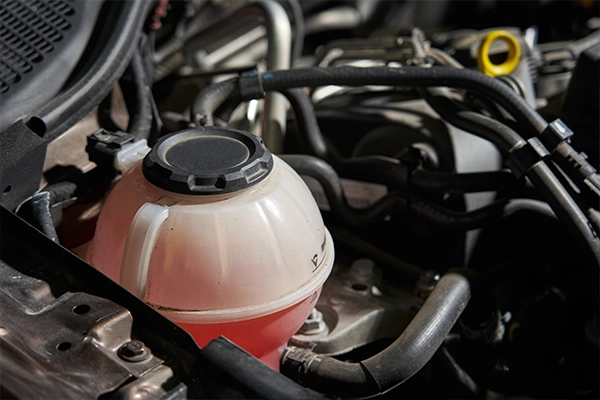
Leaking Coolant
If the radiator leaks, you’ll probably notice coolant on the ground under the car. If you see this, it’s essential to take action immediately and get the radiator replaced. A radiator leak can cause engine overheating, leading to severe engine damage.
Another sign of a radiator leak is low coolant levels in your radiator. If you notice that your radiator is empty or doesn’t seem to have as much coolant as it used to, there’s a good chance it’s leaking. You must get it fixed right away to avoid engine damage.
Sludge Buildup
Sludge buildup is a common radiator issue when coolant isn’t changed regularly. The radiator requires clean coolant to function correctly, and when sludge builds up, it reduces the radiator’s efficiency. The sludge buildup can cause severe overheating.
Damaged Radiator Hoses
Over the years, your vehicle’s radiator hoses tend to crack and warp, potentially being a critical fault point in a vehicle’s cooling system, often causing engine overheating, coolant loss, and severe engine damage if not addressed immediately.
Rising Temperature Gauge
If you notice the temperature gauge rising, even if the radiator isn’t leaking, it’s a sign that there could be an issue. The gauge could be indicating a simple thermostat replacement. However, the temperature gauge can also highlight more severe issues like a water pump failure.
Radiator Rust
If rust forms on your radiator, it’s a sign that your vehicle’s radiator is starting to decay. This can lead to radiator leaks and other problems across the board. It’s crucial you don’t ignore the damage and have it fixed as quickly as you can.
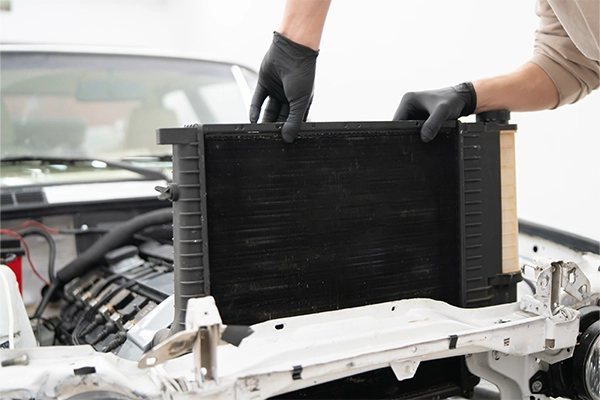
Factors that affect the cost of replacing a radiator
The cost of radiator replacement varies so much because they are not all the same. Each is paired with a vehicle’s powertrain and its dimensions to provide the right amount of cooling. Understanding your vehicle’s requirements for a new radiator can help you make the right choice. Other factors that affect radiator costs include:
The type of radiator used.
A single-core radiator is most common, but a dual-core radiator or even a triple-core radiator will be more expensive.
Vehicle Age and Model.
The vehicle’s age and model can play a big role in radiator replacement cost. As aftermarket parts become more common for cars, there tend to be less expensive options available compared to newer vehicles that benefit from more readily available radiator options.
Quality of Parts.
The quality of the parts. With different grades of parts on the market, you can expect an economy part to be less expensive than a premium or OEM-quality grade.
Labor Costs.
The time it takes to replace or repair your radiator affects the overall price. Labor can account for an increase in price above the cost of the radiator and coolant, and some cars take much longer than others.
Radiator Material.
Aluminum radiators are typically more affordable, making them common in modern cars. In contrast, copper-brass radiators are more durable but come at a higher cost.
How much does it cost to replace a radiator?
How much is a radiator replacement going to cost you? Generally, the cost to replace a radiator ranges from $400 to $900, including the cost of the radiator itself and labor costs.
As previously mentioned, a new radiator can be under $100 or more than $1,000, but most are under $600 for the part itself. Add to that any concentrated or premixed coolant you’ll need to fill the system afterward, and any replacement radiator hoses you might require.
Maintenance and care for your cooling systems consist of regular coolant replacements to keep it free from contaminants, as well as topping it off as needed if it becomes low. Components like the water pump and radiator don’t require scheduled maintenance, but it’s important to keep an eye on these components and ensure they aren’t failing or leaking fluid.
Radiator Service In Puyallup
If you need a coolant flush or other cooling system service, trust the experts at 15th Street Automotive in Puyallup, Washington. Our technicians have extensive experience diagnosing, repairing, and maintaining the radiator and cooling systems of various makes and models, and can return yours to proper operation in no time! Give us a call or schedule online today.