

Modern vehicles have an array of dashboard warning lights, each designed to alert you to the status of your car’s systems. In this article, we’ll break down the most common warning lights, explain the significance of their colors, and help you know what to do the next time a dashboard symbol appears.
Colors of the Warning Lights
The best way to narrow down the meaning of your warning light is the color of the light itself. While the symbol usually describes the system in need of attention, the color instead describes the importance of the warning light and how quickly it needs to be addressed
Blue/Green
Blue and green dashboard lights are utilized to signal that a system is on and operating. For example, the headlight icon is often illuminated blue or green to alert the driver that it’s active. These lights are there to provide information about active systems, not to alert you of a problem.
Yellow/Orange
Yellow and orange lights are often used to show that a system needs to be serviced, repaired, or otherwise attended to. The most common of these is the low fuel light, but some systems and components may use yellow or orange warning lights.
Red/Blinking
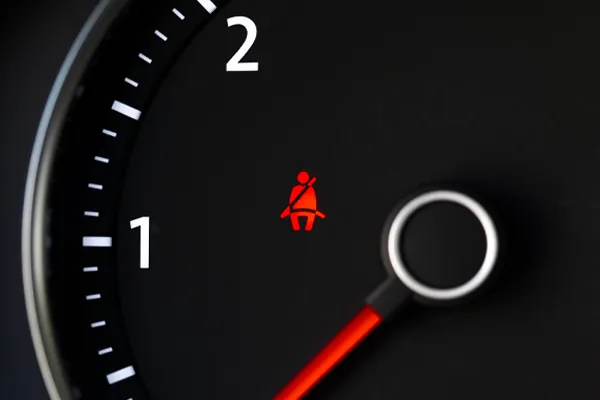
If your car dashboard is illuminated red and/or blinking, it’s likely warning you of a critical issue that should be addressed as soon as possible. This could be related to safety systems such as the seatbelt or airbag lights, or more serious mechanical issues such as a misfire or overheating in the engine.
Common Dash Lights You Should Know
TPMS Light
The TPMS (tire pressure monitoring system) is responsible for warning you of tires that are not inflated to the proper pressure. Tires with low PSI can make driving your vehicle more difficult, reduce your fuel economy, and can also make it unsafe. If you encounter this light, you should check your tire pressure manually and have low tires inflated as soon as you can to ensure your vehicle is safe and comfortable to drive.
Oil Pressure Light
One of the most important lights to keep an eye on is the oil pressure light. When this symbol appears on your dash, it’s telling you that the pressure within the oil system is not adequate. This issue can appear for a few reasons. This could mean your vehicle is critically low on oil, the flow of oil through the engine is impeded, or your oil pump is unable to circulate enough oil to properly lubricate the engine. Low oil pressure is a big problem for your vehicle, as a lack of lubrication can cause catastrophic damage to your engine.
If you notice this light on your dashboard, you should check your oil level on your dipstick immediately. If your oil is at the proper level, you should have your vehicle inspected by a trusted professional to find the source of the issue. It’s never sage to drive your vehicle with an oil-pressure light.
Traction Control Light
Your traction control light isn’t seen often, but when it’s illuminated, the driver should understand the meaning of it and how it affects the driving mechanics of the vehicle.
Your vehicle’s traction control system is responsible for keeping your car under control in situations when traction is low, such as taking a corner on wet or snowy roads. The yellow light depicting a car fishtailing will illuminate when your traction control system us active and help your car make adjustments when losing traction.
When this light is on the dash, it most often means the traction control system has been disabled (usually by a button in the vehicle or an option in digital menus). When the light is flashing, it means there is an issue preventing the system from working properly. When this light is present on your dashboard, you should drive very carefully and stay aware of the road conditions. If your traction control system is inoperable, bring your vehicle in for an inspection and repair to ensure it is safe to drive in inclement weather.
ABS Warning Light
Similar to your traction control system, the anti-brake lock (ABS) system is your vehicle’s way of keeping you safe. ABS prevents your brakes from “locking-up”, or stopping the wheels from turning and causing the vehicle to slide. Under heavy braking, your ABS prevents your wheels from turning and prevents loss of traction and flat spots on your tires
When this symbol appears on your dash, it means your ABS is either disabled or is experiencing a malfunction preventing it from working properly. This won’t prevent you from driving; however, you should be cautious when braking while ABS is not active, as it can lead to dangerous driving situations, such as heavy braking or evasive driving.
Brake Warning Light
The brake warning light is another dashboard light that has multiple meanings. This light is most often seen when the parking brake is engaged and turns off when the parking brake is released.
However, the meaning changes completely when the light is present while driving. If the warning light is solid, it means your braking system needs attention. Either the hydraulic pressure is too low on one side of the system, or the fluid level in the master cylinder is critically low. Driving with compromised brakes is extremely dangerous, and you should have your vehicle inspected immediately when seeing this warning.
Engine Temperature Light
The engine temperature light will illuminate when your engine’s temperature rises above the maximum safe operating temperature. This can happen for various reasons, but an overheating motor is not an issue to take lightly.
Overheating can cause irreparable damage; you should never let a temperature warning linger. If you notice this light on your dashboard, stop the car immediately and have it inspected by a trusted professional.
Vehicle Diagnostics in Puyallup, WA
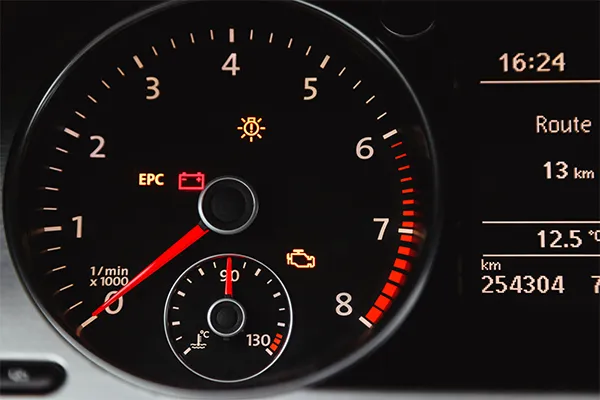
Noticing an illuminated check engine light or any dashboard warning light can be a worrying sight, as you don’t know exactly what’s wrong. So if you’re in need of vehicle diagnostics, the technicians at 15th Street Automotive in Puyallup, Washington have the tools and expertise to perform precision diagnostics on your vehicle. Give us a call or schedule an appointment online today!